
Natural Fabrics Explained: A Guide to Eco-Friendly Textiles
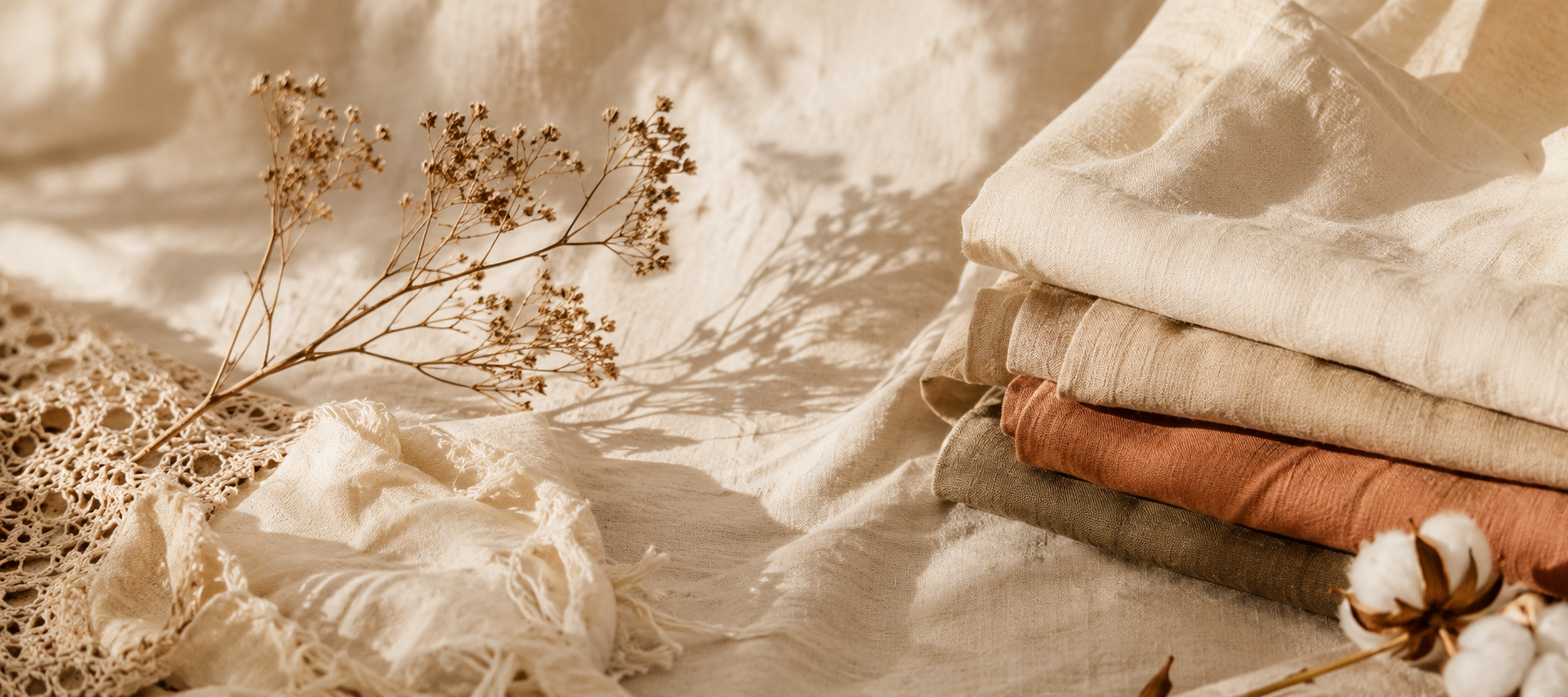
As consumers become more conscious about the impact of their choices, understanding the materials behind our clothing has never been more important. At Better The Label, we believe that what we wear should honour both the Earth and the women who inhabit it. Natural and eco-friendly fabrics are at the heart of that mission.
This guide explores the most widely used sustainable fibres, how they’re made, and why they matter. Whether you're building a more conscious wardrobe or simply curious about what makes a fabric “eco-friendly,” this article offers a clear starting point.
What Makes a Fabric Eco-Friendly?
An eco-friendly fabric is one that minimises harm at every stage of its lifecycle — from cultivation to production to end-of-life.
These textiles often:
Come from renewable or regenerative sources
Require little to no harmful chemicals
Consume less water or energy compared to conventional fibres
Are biodegradable or recyclable
Support healthier ecosystems and fairer production systems
Natural fabrics have the added benefit of being gentle on the skin, breathable, and long-lasting — qualities that enhance comfort and elevate daily wear.
ORGANIC COTTON
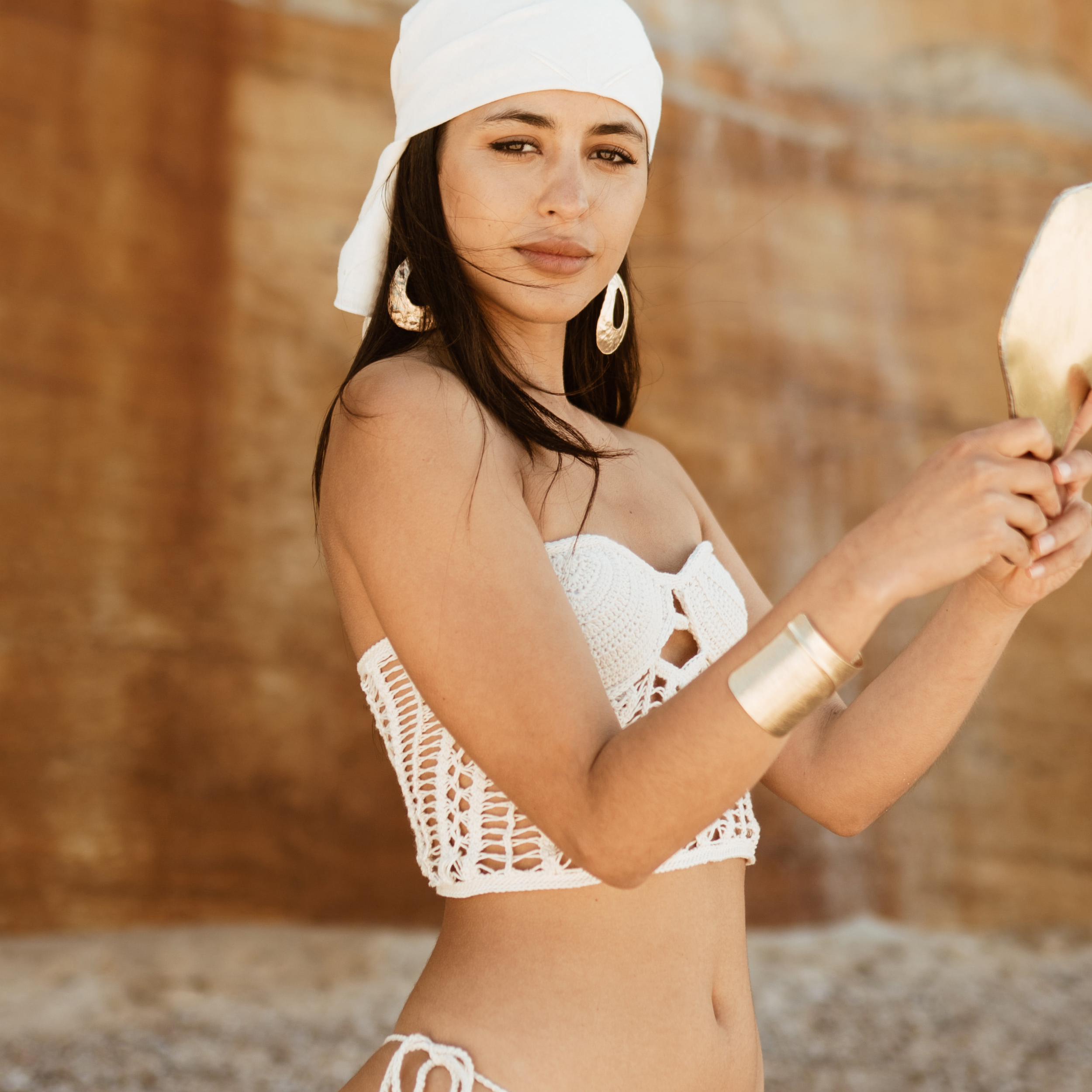
Organic cotton is one of the most widely recognised sustainable fibres, but not all cotton is created equally.
Unlike conventional cotton, organic cotton is grown without synthetic pesticides, herbicides, or genetically modified seeds. Instead, farmers rely on natural methods that protect soil health, biodiversity, and surrounding ecosystems.
Why we love it
Soft, breathable and gentle on sensitive skin
Uses natural farming practices that support healthier soils
Reduces exposure to harmful chemicals for both farmers and wildlife
Biodegradable and durable when cared for properly
At Better The Label, we choose certified organic cotton because we believe the fabric closest to your skin should also be kind to the Earth.
LINEN
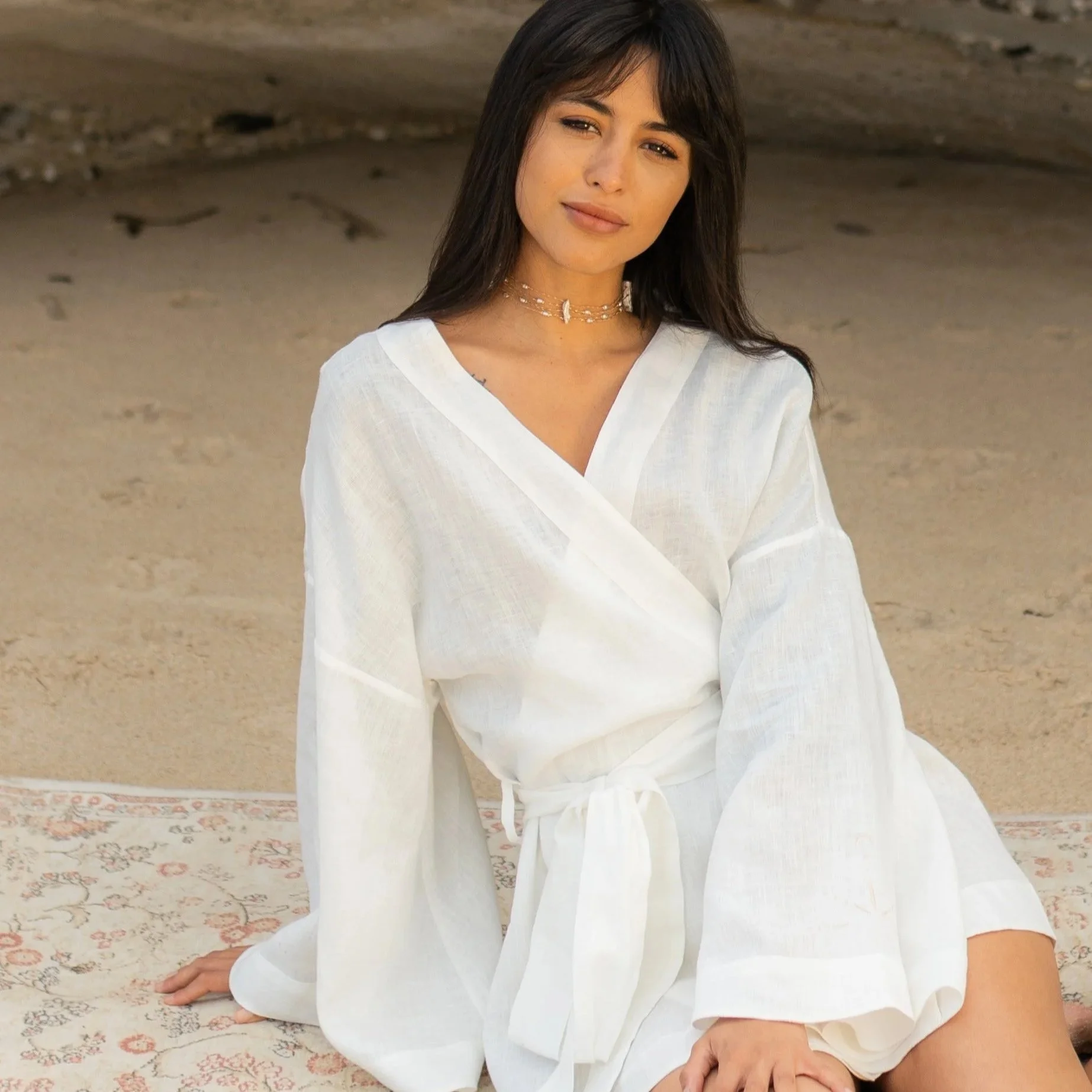
Linen is one of nature’s oldest and most remarkable fibres. Made from the flax plant, it requires significantly less water than conventional cotton and can thrive with minimal fertilisers or pesticides.
Every part of the flax plant can be used, making linen an exceptionally low-waste textile.
Why linen stands out
Naturally breathable and temperature regulating
Extremely durable, becoming softer with every wash
Requires relatively little water during cultivation
Fully biodegradable when untreated
Timeless rather than trend-driven
Beyond its environmental benefits, linen invites a slower way of dressing. Its natural texture and effortless elegance celebrate authenticity instead of perfection.
Many of Better The Label’s pieces are crafted from European linen, woven by suppliers who share our commitment to ethical production and exceptional quality.
HEMP
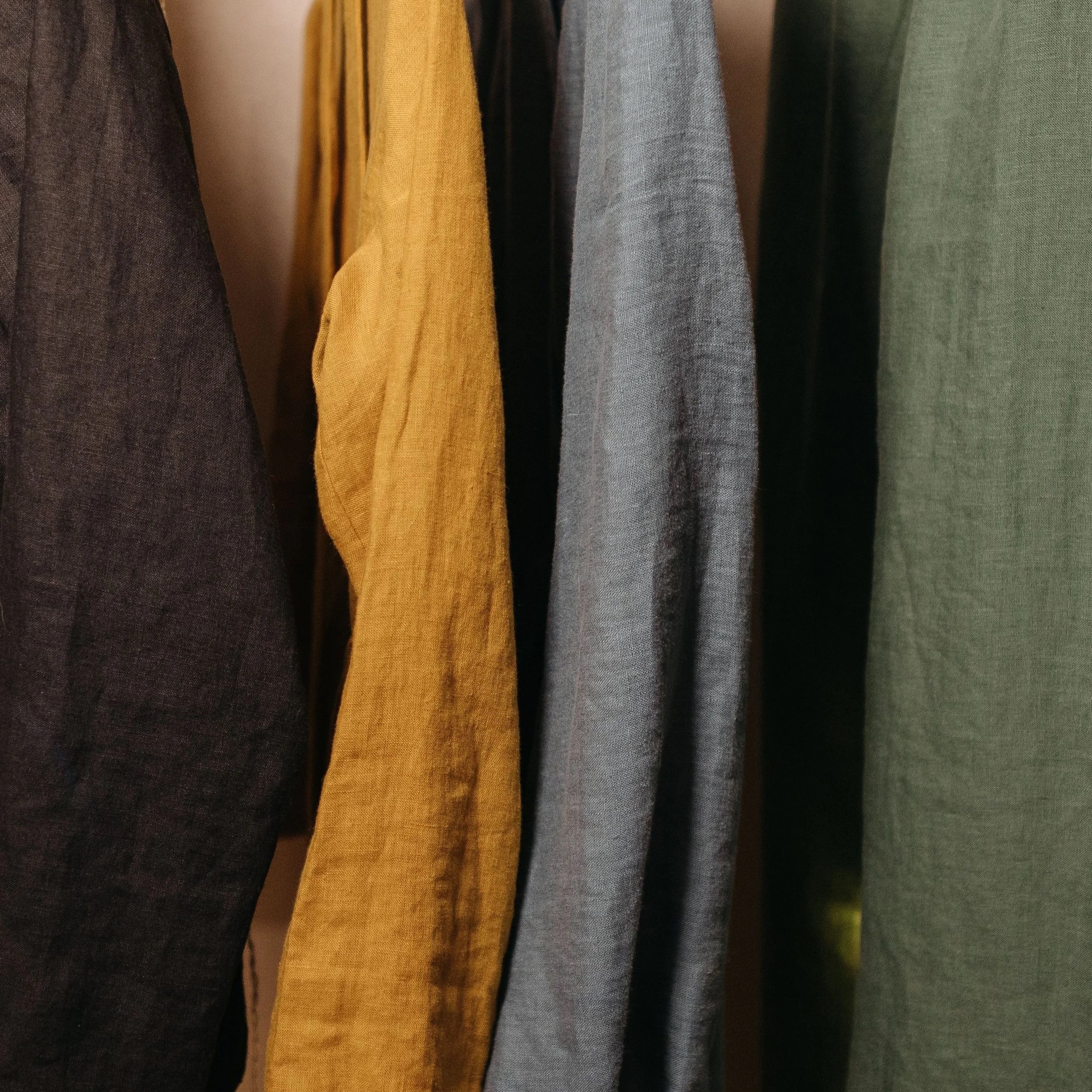
Hemp is often considered one of the most sustainable fibres available today.
It grows rapidly, requires very little water, naturally resists pests, and even helps regenerate the soil in which it is grown.
For centuries, hemp has been used to create textiles known for their incredible strength and longevity.
Benefits of hemp
One of the lowest environmental impacts among natural fibres
Highly durable and long-lasting
Breathable and naturally antibacterial
Requires minimal agricultural inputs
Biodegradable
As modern processing techniques have evolved, hemp has become increasingly soft while maintaining its exceptional resilience.
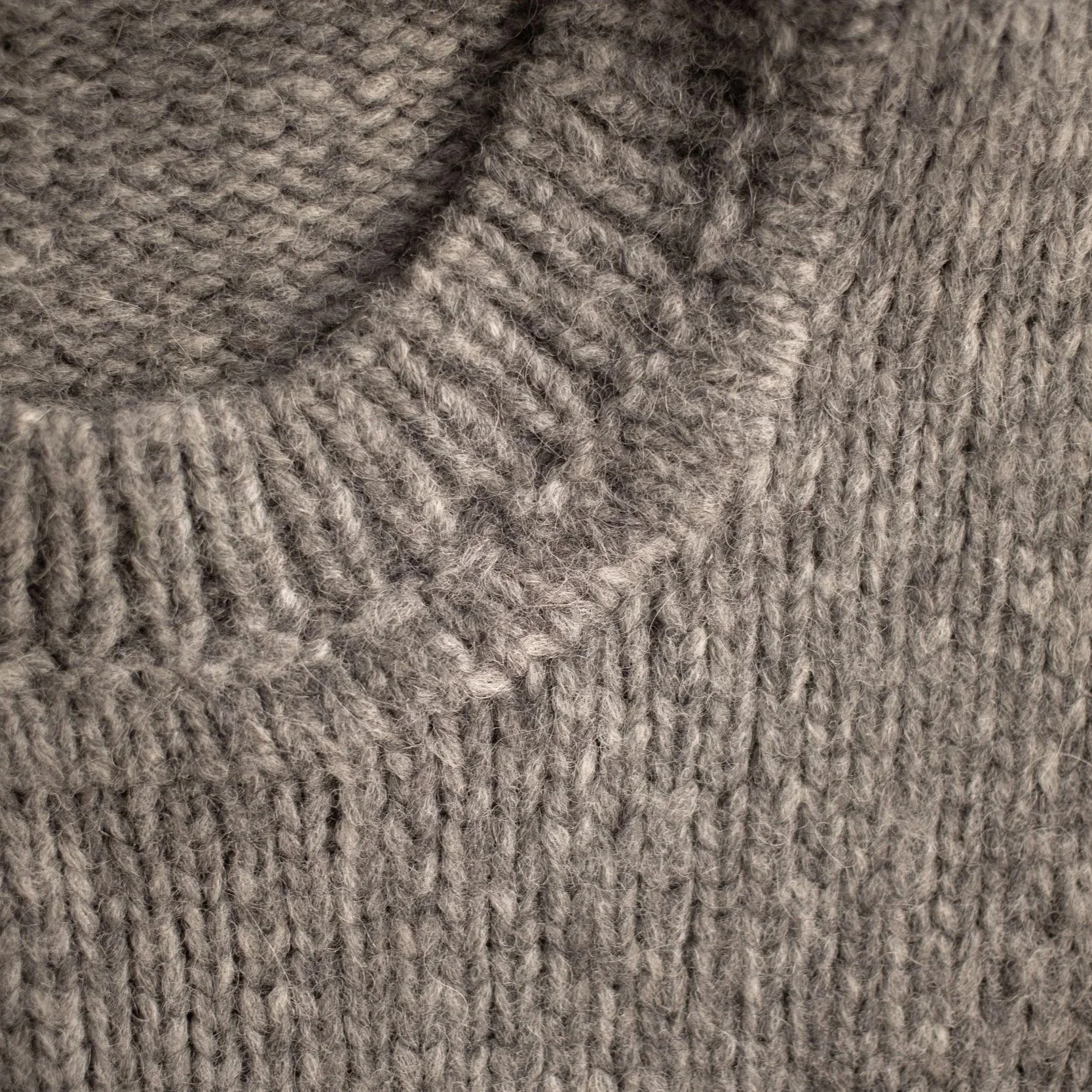
WOOL
When responsibly sourced, wool is a renewable natural fibre that offers warmth, comfort and remarkable durability.
Each year, sheep naturally grow a new fleece, making wool a renewable resource when animal welfare is respected.
Why wool remains valuable
Naturally insulating while remaining breathable
Moisture-wicking and odour resistant
Can last for decades with proper care
Biodegradable
Requires less frequent washing than many synthetic fabrics
When choosing wool, certifications and transparent sourcing are essential to ensure responsible animal welfare practices.
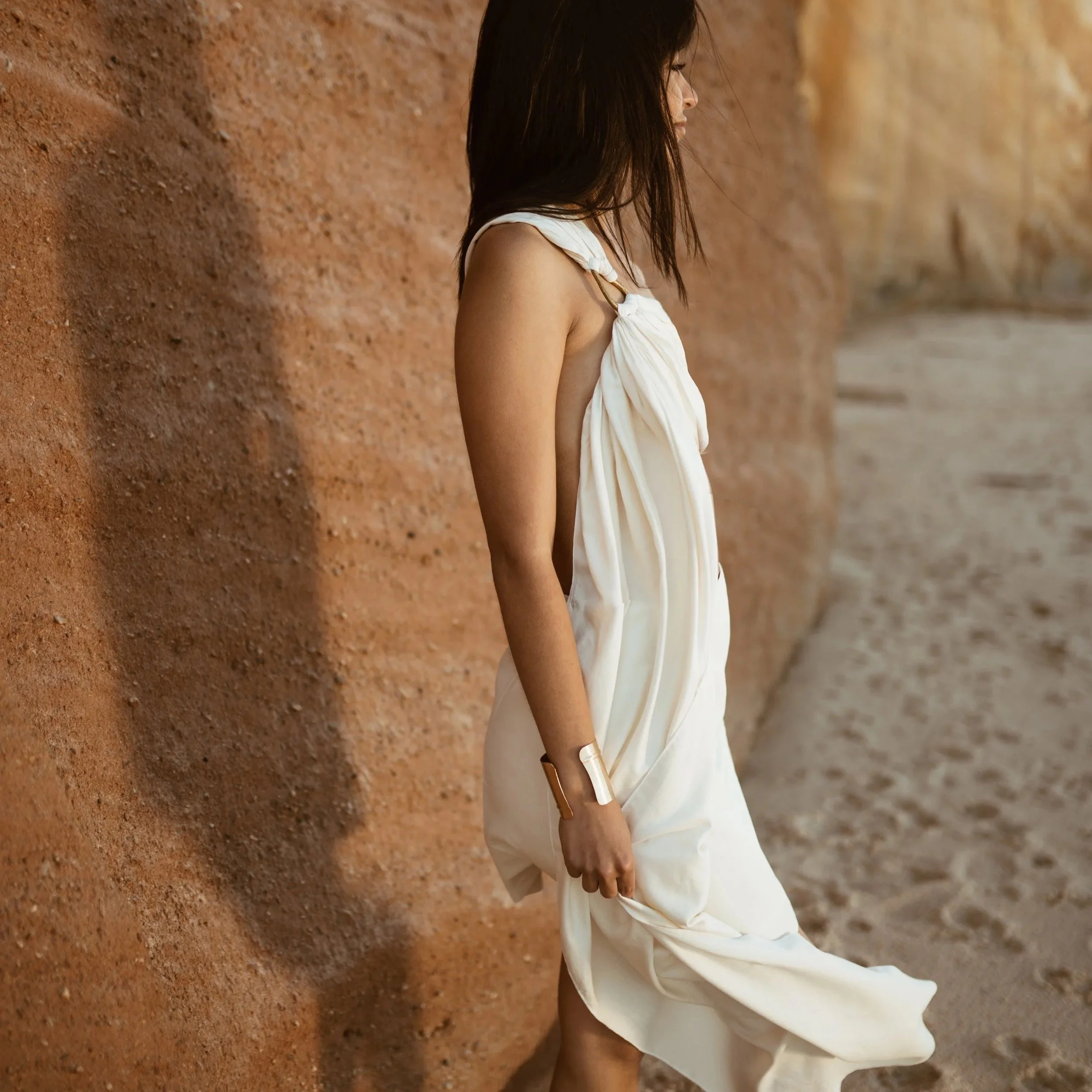
SILK
Silk has long been admired for its softness and luxurious feel, but conventional silk production raises important ethical questions.
Traditional silk is produced by boiling silkworm cocoons before the moth emerges.
At Better The Label, we believe luxury should never come at the expense of compassion.
This is why we are drawn to Peace Silk (also known as Ahimsa Silk), where the moth is allowed to complete its natural life cycle before the fibres are collected.
Why Peace Silk matters
Respects the natural lifecycle of the silkworm
Offers the same elegant appearance and comfort
Supports a more compassionate approach to textile production
Maintains the beauty and durability silk is known for
Luxury becomes even more meaningful when it reflects our values.
FABRICS TO APPROACH WITH CARE
Not every fabric marketed as “eco-friendly” is necessarily sustainable.
Many synthetic fibres, including polyester, nylon and acrylic, are derived from fossil fuels and can shed microplastics every time they are washed.
Some semi-synthetic fibres, such as viscose, can be sustainable when produced responsibly, but their impact depends heavily on how the raw materials are sourced and processed.
Whenever possible, look for transparency, certifications, and brands that openly share where and how their materials are made.
HOW TO CHOOSE BETTER FABRICS
When shopping for clothing, consider asking yourself a few simple questions:
What is this fabric made from?
Can I wear it for many years?
Was it produced responsibly?
Will it biodegrade at the end of its life?
Does this piece truly belong in my wardrobe?
The most sustainable garment is often the one that is loved, repaired, and worn again and again.
DRESSING WITH INTENTION
At Better The Label, sustainability is not simply about choosing natural fabrics. It is about creating fewer, better pieces that honour the people who make them, respect the Earth, and accompany women through different seasons of life.
Every thoughtful choice, from the fibre we select to the artisan who crafts each garment, is part of a bigger story. Because what we wear shapes not only how we look, but how we live.
Choose consciously. Wear intentionally. Let your clothing reflect the values you carry within.